
Introduction to VRM
Vendor Risk Management (VRM) is the structured process of identifying, assessing, monitoring, and mitigating risks associated with third-party vendors and service providers. It ensures that external partners handling data, systems, or services meet the organization’s security, compliance, and regulatory requirements. VRM provides visibility into vendor practices, enforces accountability through documentation (e.g., SOC 2, ISO, PCI DSS, DPA,MSA, VAPT), and reduces operational, legal, financial, and reputational risks across the vendor ecosystem.
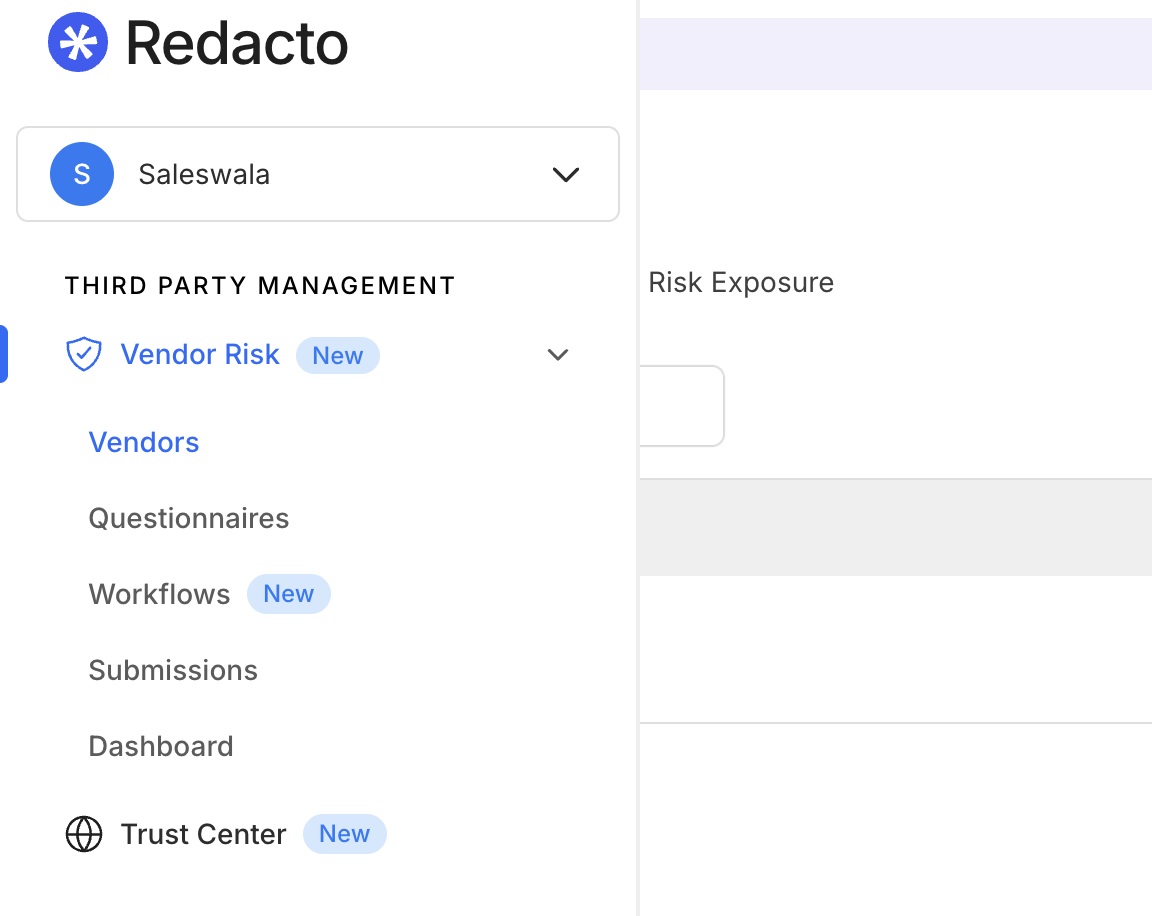
Vendor risk management
Why VRM helps an organization:question:
Vendor Risk Management is critical because modern organizations rely heavily on third-party vendors for technology, operations, and services. Each vendor introduces potential risks—security, compliance, financial, or reputational—that, if unmanaged, can impact business continuity and customer trust. A structured VRM program ensures these risks are identified, monitored, and mitigated proactively.
🔑 Key Benefits for Organizations :
- Regulatory Compliance – Ensures vendors meet industry standards (SOC 2, ISO, PCI DSS, RBI, SEBI, GDPR, DPDP).
- Data Security – Protects sensitive customer and business data shared with vendors.
- Operational Resilience – Identifies weak links in the supply chain before they disrupt services.
- Reputation Protection – Reduces the chance of vendor-related breaches or incidents damaging brand trust.
- Efficiency – Centralizes assessments, automates questionnaires - saving time for security / procurement teams.
- Audit Readiness – Provides a single source of truth for vendor documentation during due diligence.
After the assessment journey is completed and the final score is generated, users can download a comprehensive report. This report provides a detailed summary of the VRM process, including:
- Key findings and identified risks
- Suggested 30/60/90 day mitigation plans
- Recommendations and best practices to improve the vendor’s score
- An overall view of the vendor’s security and compliance posture
This ensures stakeholders have a clear, actionable record of the vendor assessment and the steps required for continuous improvement.
Updated 13 days ago